Foreigners can buy fee-simple titled real estate (propiedad en pleno dominio) and registered condominiums (finca filial under Law No. 7933) in Costa Rica in their personal name or through a Costa Rican corporation with 100% ownership—even while visiting on a tourist passport stamp. The single exception is the first 200 meters of coastline (the Maritime Terrestrial Zone under Law No. 6043), where the first 50 meters are inalienable public beach and the next 150 meters are municipal leasehold concessions requiring majority Costa Rican ownership unless grandfathered.
Legal & Ownership Note: This guide is for educational orientation and does not constitute formal legal or tax advice. Always retain an independent Costa Rican real estate attorney and notary public (Notario Público) before signing an option to purchase or transferring funds.
One of the enduring reasons Costa Rica attracts long-term homeowners from the United States, Canada, and Europe is constitutional certainty. Under Article 19 of the Constitution of Costa Rica, foreigners enjoy the exact same civil rights and property protections as Costa Rican citizens. There is no requirement to hold residency or a local partner to own fee-simple real estate.
At the same time, property law in Costa Rica follows the civil-law notarial tradition rather than the North American title-insurance model. Understanding four foundational concepts will protect your capital and make the buying process straightforward.
1. Fee-Simple Title (Folio Real) & Condominium Ownership (Law No. 7933)
Nearly all residential purchases by foreign buyers fall into one of two fully titled categories recorded in Costa Rica's centralized computer database, the National Registry (Registro Nacional):
- Fee-Simple Individual Property (Propiedad en Pleno Dominio): Every titled parcel has a unique Folio Real registration number identifying the province, property number, and ownership right, paired with a registered cadastral survey plan (plano catastrado).
- Condominium Ownership (Propiedad en Condominio — Law No. 7933): Both vertical residential buildings (such as Serena Condos in Playas del Coco) and horizontal gated lot communities (such as Condominio Vistara by Casa Favorita in San Antonio de Escazú) are governed by Costa Rica's Regulatory Law of Condominium Property (Ley Reguladora de la Propiedad en Condominio, Law No. 7933). Each unit or lot receives its own independent Finca Filial title number in the National Registry, while common areas (pools, elevators, internal roads, security gates, and landscaped gardens) are owned proportionally by all owners and governed by recorded bylaws (Reglamento de Condominio y Administración).
2. The Maritime Terrestrial Zone (ZMT — Law No. 6043) Explained
Why do most foreign buyers choose properties set slightly back from the high-tide line or in established titled neighborhoods? Because of Law No. 6043 on the Maritime Terrestrial Zone (Zona Marítimo Terrestre), which governs the first 200 meters measured inland from the mean high-tide mark along Costa Rica's coastlines:
- The Public Zone (Zona Pública — First 50 Meters): The first 50 meters from mean high tide (plus estuaries and mangroves) are public domain. No private construction or private ownership is permitted, which is why every beach in Costa Rica remains open to the public.
- The Restricted / Concession Zone (Zona Restringida — Next 150 Meters): Meters 51 through 200 are municipal leasehold land (concesión) granted for 5- to 20-year renewable terms under a municipal zoning plan (Plan Regulador). Under Article 47 of Law 6043, foreigners who have not resided in Costa Rica for at least five years cannot directly hold more than 49% of a maritime concession entity.
- Titled Coastal Towns & Residences Beyond 200 Meters: Properties located outside the 200-meter ZMT boundary—including titled condominium communities in Playas del Coco like Serena Condos and brokered listings on RealtyCostaRica.com—are 100% fee-simple titled real estate with zero concession restrictions.
| Ownership Type | Registry Identifier | 100% Foreign Ownership Allowed? | Typical Use Case |
|---|---|---|---|
| Titled Condominium (Finca Filial) | Folio Real Filial (Province-Finca-Filial) | Yes — 100% in personal name or CR corporation | Lock-and-leave beach condos (Serena Condos) & gated Escazú lots (Casa Favorita) |
| Titled Single-Family Home / Lot | Folio Real Individual + Plano Catastrado | Yes — 100% in personal name or CR corporation | Standalone homes outside the 200m maritime zone |
| Maritime Zone Concession (Meters 51–200) | Municipal Concession Registry | Restricted (49% max foreign unless 5+ yr resident) | Direct beachfront resort/commercial leases (Papagayo Tourism Project has special rules) |
3. Step-by-Step Closing Process, Escrow & Closing Costs
A standard residential purchase in Costa Rica takes 30 to 45 days from accepted offer to recorded title transfer:
- Letter of Intent / Option to Purchase-Sale Agreement (Opción de Compra-Venta): Drafted in English and Spanish by your attorney, specifying the price, inventory list, due-diligence period (typically 15–21 business days), and closing date.
- SUGEF-Registered Escrow Deposit (typically 10%): Never wire deposits directly to a seller's personal account. Always use an independent escrow company registered with Costa Rica's financial superintendent (SUGEF), which will require standard Know-Your-Customer (KYC) source-of-funds documentation (tax returns, bank statements) before receiving your wire.
- Legal, Technical & HOA Due Diligence: Your attorney verifies clean title in the National Registry, checks for liens/easements (hipotecas, gravámenes, anotaciones), confirms municipal tax and water/electric bills are paid to zero, reviews the Plano Catastrado, and—for condominiums—obtains an HOA certification confirming the unit is current on ordinary and extraordinary assessments.
- Closing Deed (Escritura Pública) & Closing Costs: In Costa Rica, the lawyer who executes the transfer deed must be a licensed Notario Público, who records the deed in their official protocol book (Protocolo) and submits it to the National Registry. Total closing costs—covering the 1.5% Real Estate Transfer Tax, National Registry stamps (~0.8%–1.0%), statutory Notary & Legal fees (~1.25% + 13% IVA), and escrow fee ($650–$1,200)—typically total 3.5% to 4.25% of the purchase price.
Joshua ten Brink has spent more than two decades living, photographing, and developing residential communities in Costa Rica. Through WildPhotography.com he documents Costa Rica's wildlife, coastlines, cloud forests, and everyday life across Guanacaste, the Central Valley, Arenal, Monteverde, and the Southern Pacific.
Common Questions About How Foreigners Buy Property in Costa Rica
Should I buy property in my personal name or through a Costa Rican corporation (S.A. or S.R.L.)?
Both are completely legal. Holding a property in a Costa Rican Sociedad de Responsabilidad Limitada (S.R.L., similar to an LLC) or Sociedad Anónima (S.A.) makes estate planning, corporate powers of attorney, and local utility/HOA administration easier, though inactive asset-holding corporations must file an annual informative declaration and Ultimate Beneficial Owner (RTBF) filing (~$250–$400/year in legal compliance).
Is title insurance necessary in Costa Rica?
Because Costa Rica uses a centralized computerized National Registry (Registro Nacional) where recorded public deeds carry statutory priority, most buyers rely on a comprehensive title search and certification by an independent Costa Rican real estate attorney rather than US-style title insurance.
Can foreigners get a mortgage from a Costa Rican bank?
Local banks generally lend only to citizens or legal residents with documented Costa Rican tax returns. Most non-resident foreign buyers purchase with cash, tap home-equity lines in their home country, or utilize developer milestone payment schedules.
Related Costa Rica Guides
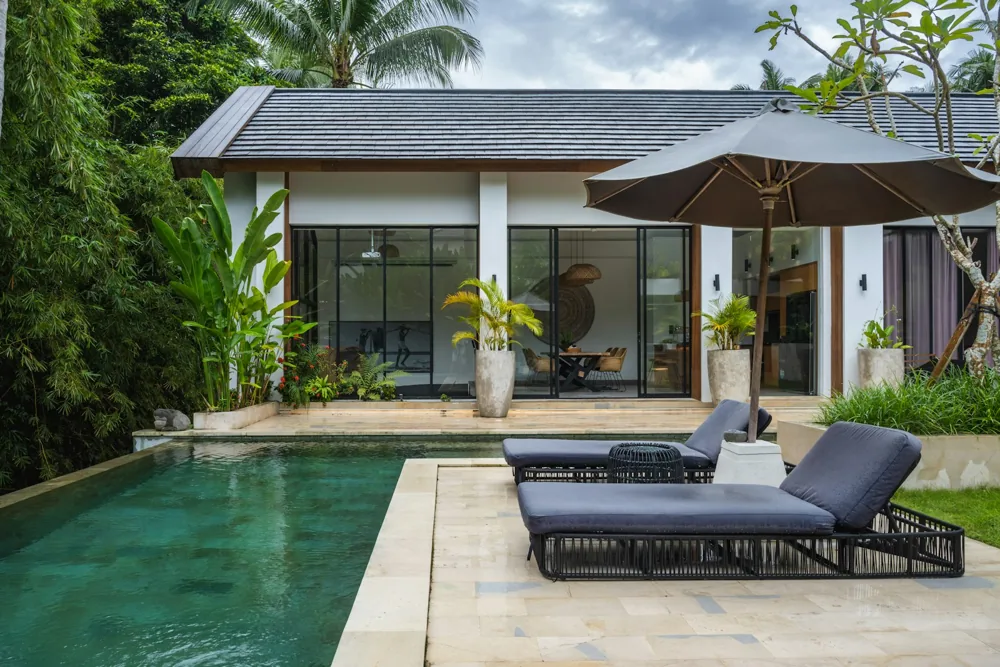
Why Playas del Coco Stands Out for Lock-and-Leave Condo Buyers
When condo buyers compare beach towns along Costa Rica's Pacific coast, Playas del Coco consistently wins on the fundamentals that determine long-term enjoyment: airport proximity, town infrastructure, and spacious residential value.

Beach Condo vs. Single-Family Home in Costa Rica: Maintenance, Security, and Lifestyle Tradeoffs
In the tropics, rain, sun, and lush vegetation grow 365 days a year. Deciding between a condominium and a standalone house comes down to how you want to spend your mornings—and how many months a year you plan to be away.
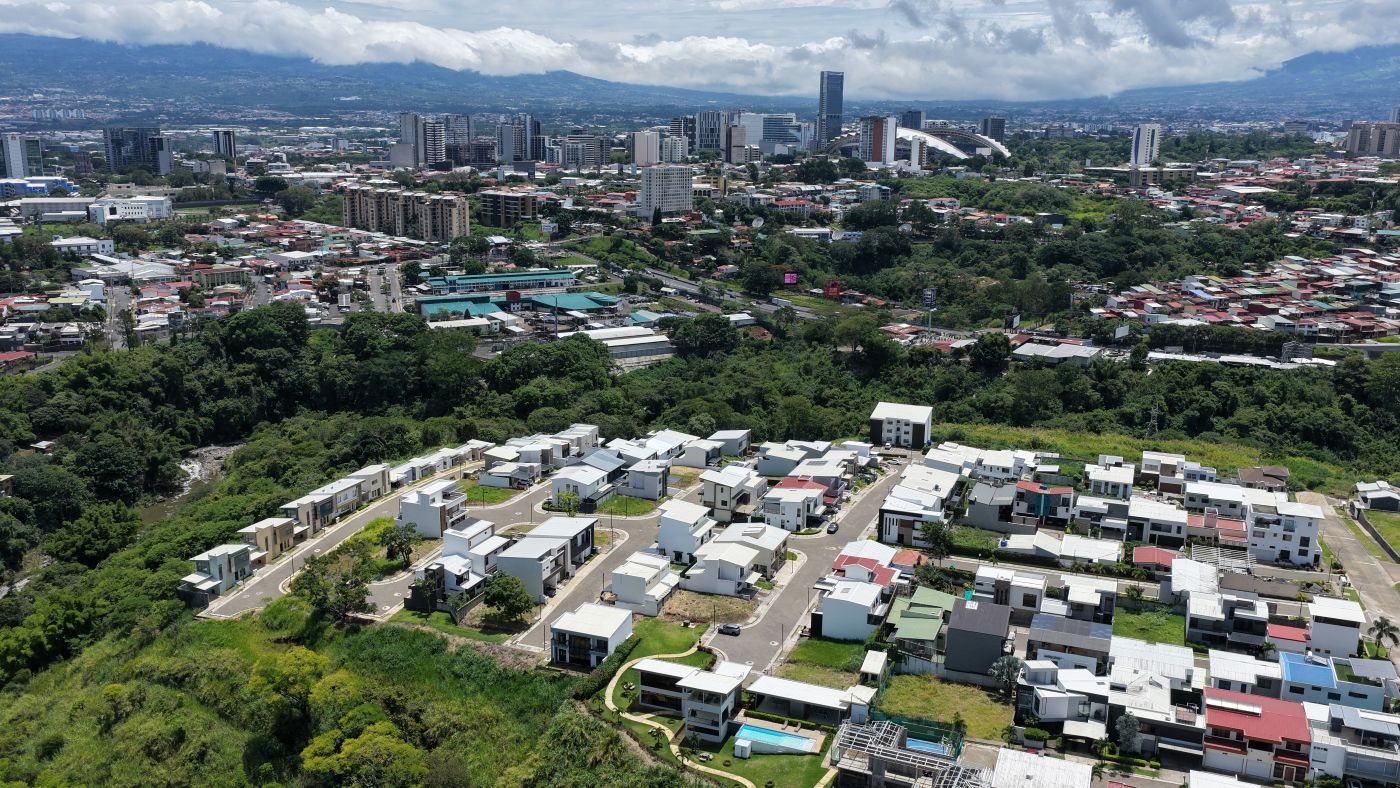
Escazú and Santa Ana Guide: Modern Conveniences, Climate, and Residential Options in the Central Valley
Twenty minutes west of San José along Route 27, the neighboring cantons of Escazú and Santa Ana pair a spring-like mountain climate with Costa Rica's premier hospitals, international schools, and gated residential communities.
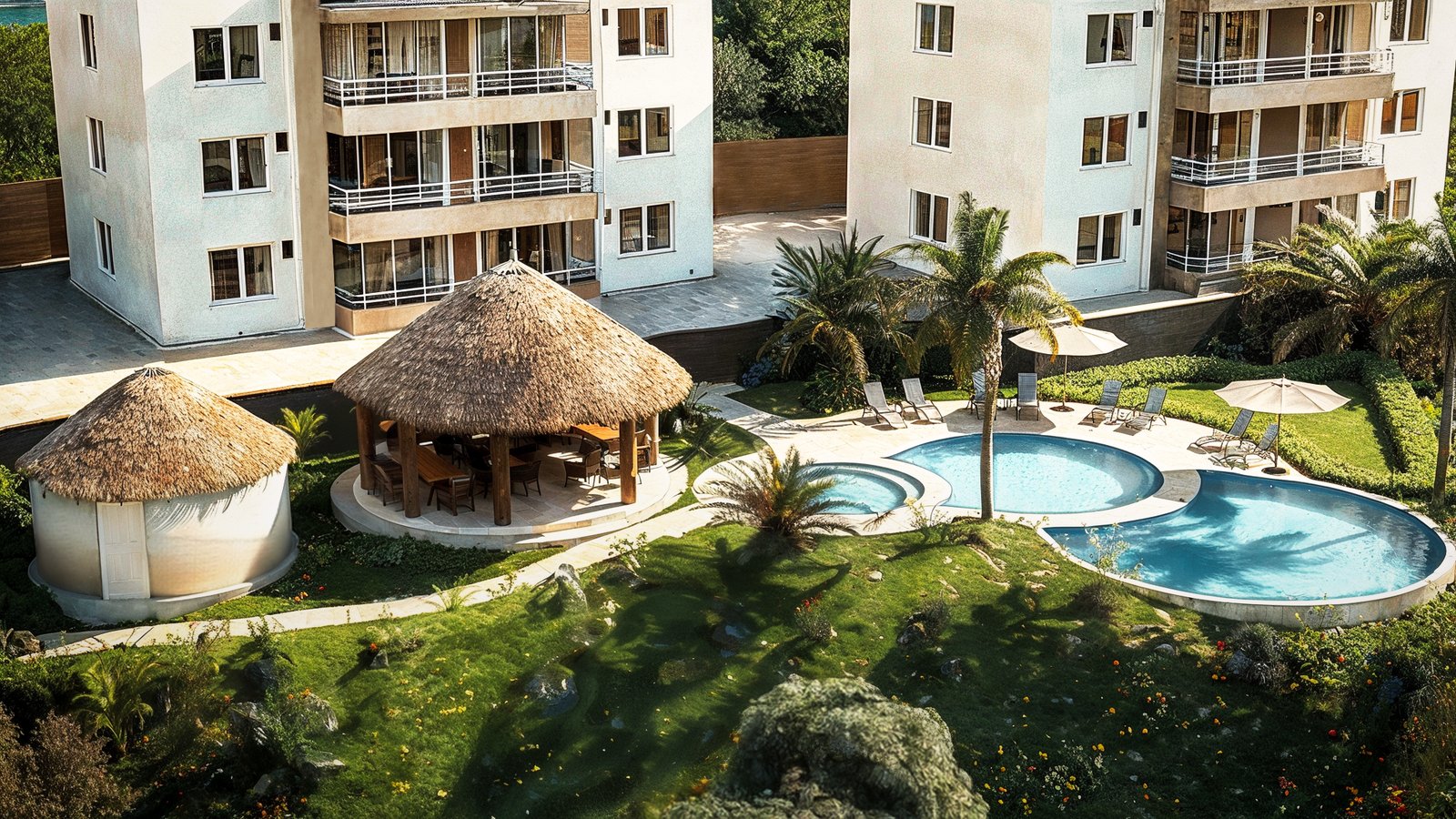
Serena Condos: Explore a Home Base in Playas del Coco
Spacious 3-bedroom residences starting from the $320's—thoughtfully designed around a tranquil garden courtyard, resort-style swimming pool, elevator access, and fitness center just 25 minutes from Guanacaste International Airport (LIR).