Choose Guanacaste (such as Playas del Coco or Flamingo) if your ideal day centers on warm 28–34°C coastal sunshine, morning beach walks, boating, and a relaxed flip-flop community 25 minutes from LIR airport. Choose the western Central Valley (Escazú or Santa Ana) if you prefer year-round 20–27°C spring-like mountain air, immediate access to Costa Rica's largest private hospitals (Hospital CIMA), International Baccalaureate schools, and cosmopolitan dining 25 minutes from SJO airport.
When visitors begin imagining a longer chapter in Costa Rica—whether a three-month winter escape, a remote-work sabbatical, or a permanent move—the conversation almost always narrows down to two flagship regions: the North Pacific coast of Guanacaste (anchored by Playas del Coco, Flamingo, Potrero, and Tamarindo) and the western Central Valley (anchored by Escazú, Santa Ana, and Rohrmoser).
Although the two regions sit less than four hours apart by highway (or a 45-minute domestic flight between SJO and LIR), they offer completely different climates, architectural styles, electricity budgets, and daily rhythms. Here is a clear, unsentimental look at how they compare.
1. Climate & Daily Comfort: Tropical Sun vs. Highland Spring
In Guanacaste, elevation is sea level and the climate is tropical dry savanna. Afternoon temperatures sit between 30°C and 35°C (86°F–95°F) during the dry season (December through April), cooled by brisk Papagayo trade winds and low humidity, while the green season (May through November) brings sunny mornings followed by refreshing late-afternoon showers that turn the hills emerald green. Life is lived around swimming pools, shaded terraces, and the ocean, and you will run bedroom air conditioning most nights.
In Escazú and Santa Ana, elevation ranges from 900 meters (2,950 feet) on the Santa Ana valley floor to 1,300+ meters (4,260 feet) in San Antonio de Escazú. That altitude shaves 7°C to 10°C off coastal temperatures. Most homes in Escazú never turn on air conditioning or heating all year: mornings begin at a crisp 18°C (64°F), afternoons warm to 25°C (77°F), and evenings invite dining outdoors under a light sweater.
2. Healthcare, Schools & Urban Conveniences
Both regions are remarkably well connected, but at different scales:
- Central Valley Advantage: Escazú and Santa Ana sit at the heart of Costa Rica's medical and educational infrastructure. Hospital CIMA San José sits directly in Escazú off Route 27, complemented by Hospital Clínica Bíblica and Hospital La Católica within 20 minutes. For families, top IB and U.S.-accredited schools (Country Day School, Blue Valley, Marian Baker, Pan-American, British School) are all located in the Central Valley.
- Guanacaste Evolution: Over the past decade, northern Guanacaste has closed much of the convenience gap. Playas del Coco has four major supermarkets (including Auto Mercado) and bilingual urgent-care clinics right in town, while Hospital CIMA Guanacaste and Hospital Metropolitano operate near Liberia just 25 minutes away. Accredited coastal schools like CRIA and La Paz Community School serve the Flamingo/Tamarindo corridor.
| Comparison Factor | Northern Guanacaste (Playas del Coco / Papagayo) | Western Central Valley (Escazú / Santa Ana) |
|---|---|---|
| Elevation & Daytime Temps | Sea level · 28–34°C (82–93°F) | 900–1,350 m · 20–27°C (68–81°F) |
| Air Conditioning & Electric Bill | Nightly A/C normal · $120–$280/mo electric | Rarely needed in Escazú · $45–$95/mo electric |
| Airport Access | 25 min to Liberia Intl (LIR) | 20–30 min to San José Intl (SJO) |
| Hospital Access | Town clinics + 25 min to CIMA Guanacaste (Liberia) | 5–10 min to flagship Hospital CIMA San José (Escazú) |
| Signature Lifestyle | Beach walks, boating, swimming pools, casual coastal dining | Highland views, malls, fine dining, golf, cultural events |
| Featured Property Examples | Serena Condos (3BR in Playas del Coco from the $320's) | Casa Favorita (Vistara gated community in Escazú) |
3. How Many Residents Combine Both Worlds
Interestingly, many long-term residents discover they do not have to treat Guanacaste and the Central Valley as mutually exclusive. Families whose children attend school in Escazú often keep a lock-and-leave 3-bedroom condo in Playas del Coco for school holidays and long weekends, while coastal residents frequently drive up to Escazú for two nights of specialist medical checkups, theater, cool mountain air, and shopping at Multiplaza.
Joshua ten Brink has spent more than two decades living, photographing, and developing residential communities in Costa Rica. Through WildPhotography.com he documents Costa Rica's wildlife, coastlines, cloud forests, and everyday life across Guanacaste, the Central Valley, Arenal, Monteverde, and the Southern Pacific.
Common Questions About Guanacaste vs. the Central Valley
Which region has less rain: Guanacaste or the Central Valley?
Northern Guanacaste (especially Playas del Coco and the Gulf of Papagayo) has the longest and driest sunny season in Costa Rica, receiving roughly half the annual rainfall of the Central Valley and remaining sunny on most mornings even during the May–November green season.
Is the cost of living higher on the Guanacaste coast or in Escazú?
Overall monthly living costs are quite similar, though the line items shift: Guanacaste households spend more on electricity for air conditioning ($120–$280/month vs. $45–$95/month in Escazú), whereas Escazú and Santa Ana residents often spend more on urban fine dining, private club memberships, and international school tuition.
How should I test both regions on a single scouting trip?
Book an open-jaw airline ticket: fly into San José (SJO), spend 3 to 4 days exploring Escazú and Santa Ana neighborhoods, then drive 3.5 hours northwest up Route 27 and Route 1 to spend 4 to 5 days in Playas del Coco before flying home from Liberia (LIR).
Bookable Tours & Excursions Mentioned in This Guide
Explore verified small-group and private excursions in this region via Viator and GetYourGuide.
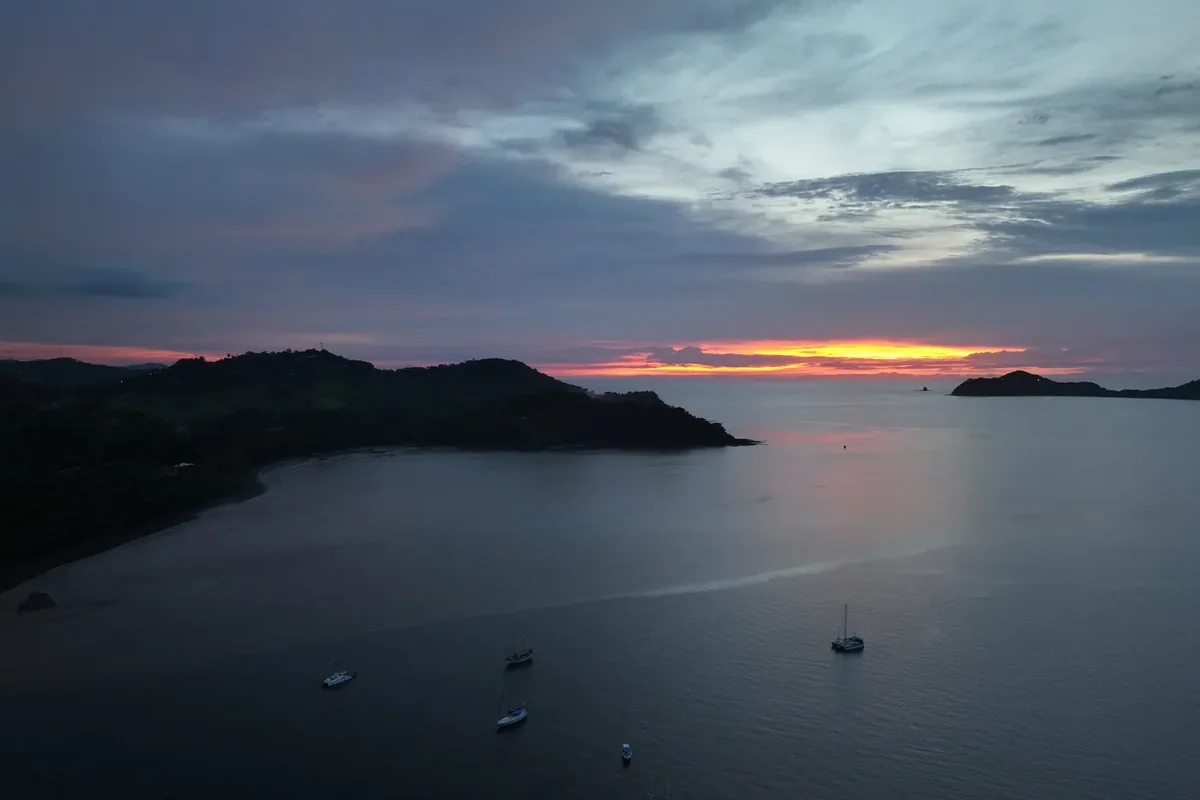
Playas del Coco Catamaran Snorkeling & Sunset Sailing Excursion
Snorkeling gear, guided reef snorkel in a sheltered Culebra Bay cove, freshly prepared BBQ chicken meal, tropical fruit, open bar, and Pacific sunset sail.
Departure: Main beach in front of Bar El Ancla under the Big Tree, Playas del Coco (check-in 1:15 PM)
Central Valley Highlands: Poás Volcano Crater, Doka Coffee Estate & La Paz Waterfalls
Timed entry to Poás Volcano National Park crater overlook, guided Arabica coffee harvest and roasting tour at Doka Estate, buffet lunch, and La Paz Waterfall Gardens wildlife sanctuary & trails.
Departure: 6:30–7:15 AM pickup from Escazú, Santa Ana, Rohrmoser, and downtown San José hotels
Related Costa Rica Guides
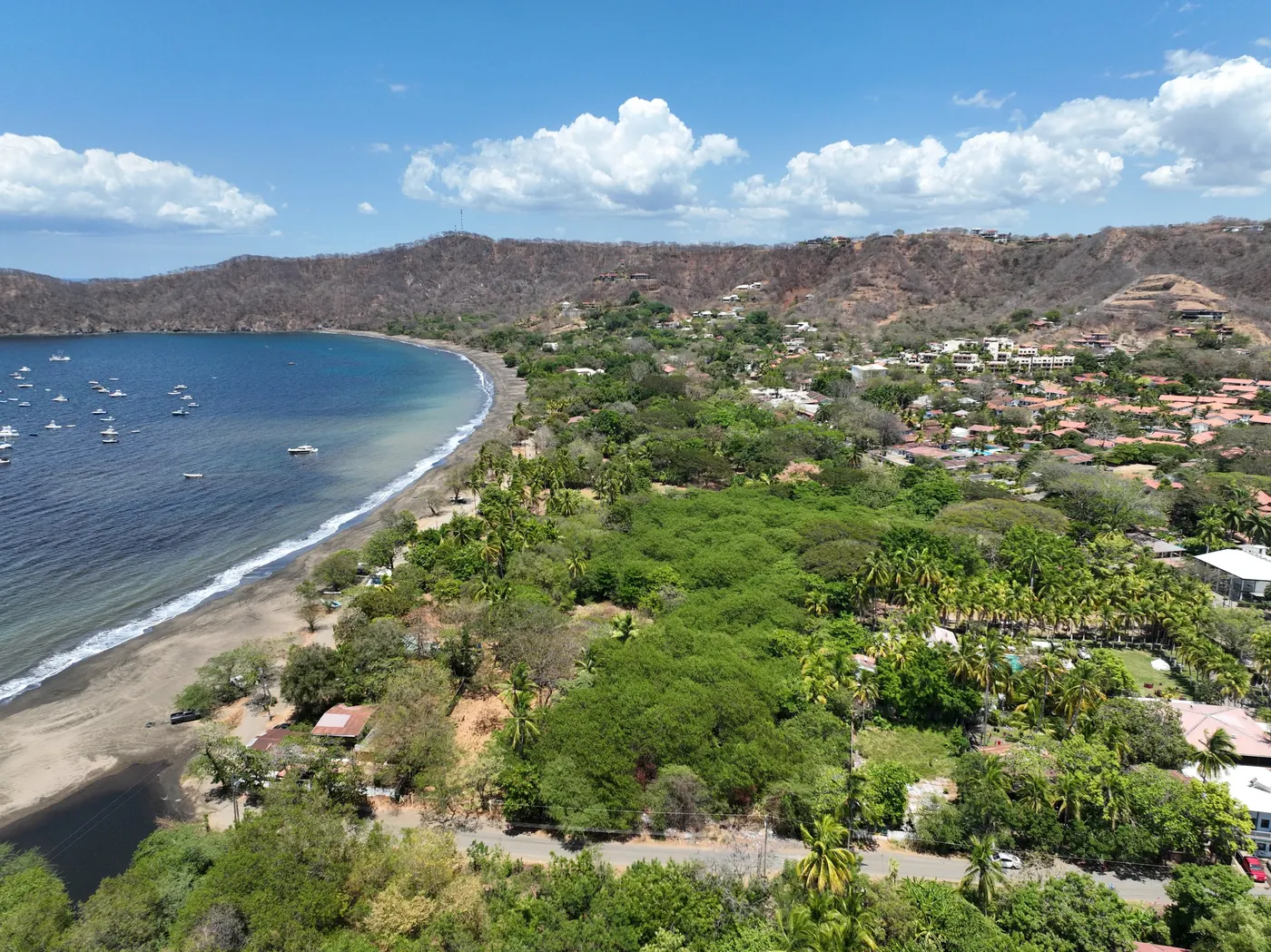
Playas del Coco Complete Guide: Beaches, Boating, Dining & Easy Coastal Living
Just 25 minutes from Guanacaste International Airport (LIR), Playas del Coco pairs a sheltered 3-kilometer bay with the strongest everyday infrastructure on Costa Rica's north Pacific coast.
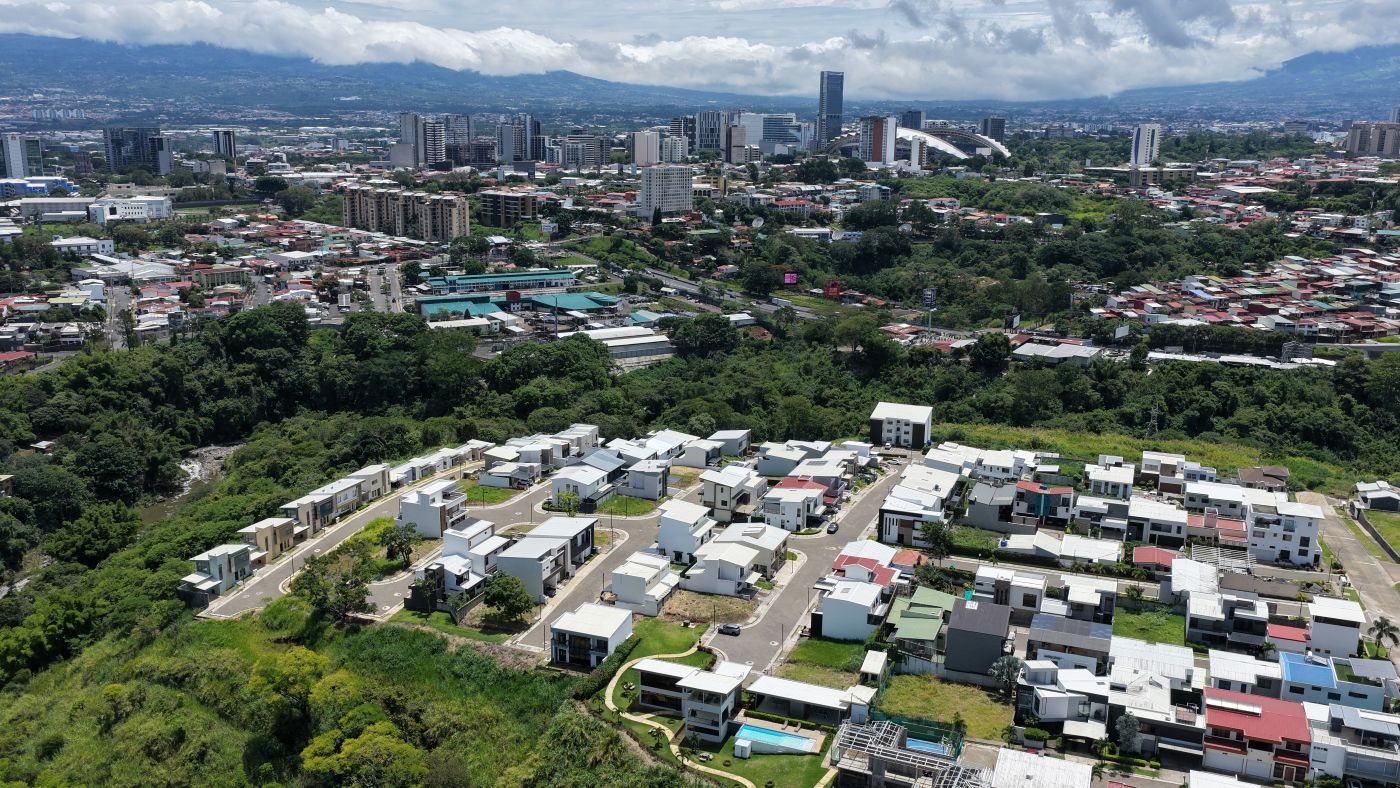
Escazú and Santa Ana Guide: Modern Conveniences, Climate, and Residential Options in the Central Valley
Twenty minutes west of San José along Route 27, the neighboring cantons of Escazú and Santa Ana pair a spring-like mountain climate with Costa Rica's premier hospitals, international schools, and gated residential communities.
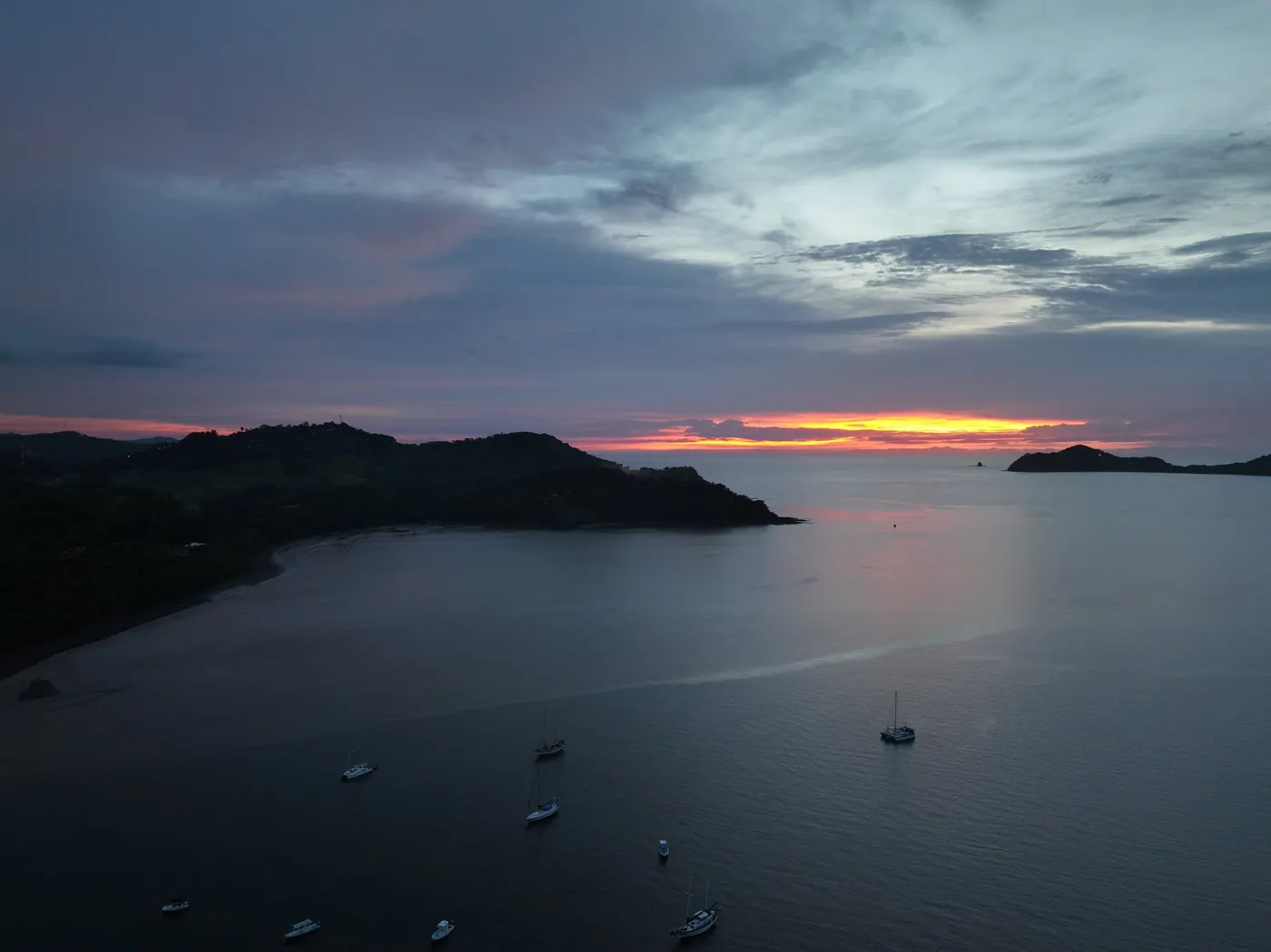
What It Really Costs to Live Well in Costa Rica: Realistic Monthly Budgets
Costa Rica is neither a rock-bottom bargain nor uniformly expensive. Your monthly spending depends almost entirely on three choices: where you live, how much air conditioning you run, and how you shop for food.
Healthcare in Costa Rica: How Public (Caja) and Private Care Actually Work
Costa Rica's life expectancy consistently rivals or exceeds North America's, powered by two parallel medical systems that almost every long-term resident uses in tandem.